TECNOLOGÍA | Scania presentó el primer camión totalmente autónomo
Scania dio un paso más en el mundo de las nuevas tecnologías y presentó un camión autónomo donde directamente no tiene lugar para las personas.
10 Years Experiences
Lorem ipsum dolor sit amet, consectetur adipiscing elit. Ut elit tellus, luctus nec ullamcorper mattis, pulvinar dapibus leo.
Scania dio un paso más en el mundo de las nuevas tecnologías y presentó un camión autónomo donde directamente no tiene lugar para las personas.
Se llama AXL, y es el primer prototipo de camión totalmente autónomo que prescinde de todo control humano, por lo que se ha eliminado la cabina, además de introducir nuevas soluciones en el sistema de propulsión que mueve al vehículo.
Desde Scania afirman que en este tipo de vehículos es más importante el software que el hardware, así que la firma ha desarrollado un intenso programa de desarrollo hasta crear un entorno de control inteligente que se encarga de decir al camión cómo debe actuar en cada momento.
El motor también es importante en el AXL, ya que Scania sigue avanzando en tecnologías limpias. No se trata de un vehículo electrificado, sino que utiliza biocombustibles renovables, de origen sostenible.
Pese a no contar con una cabina propiamente dicha, Scania ha tratado de mantener su lenguaje de diseño y aseguran que han creado un producto reconocible con su marca, aunque básicamente el frontal se reduce a unas pocas piezas para cubrir el radiador, la mecánica y le electrónica.
El vehículo también tiene siete cámaras, un sensor láser que reconoce el terreno en busca de obstáculos y tres radares integrados que aportan una cantidad ingente de información para formar diferentes mapas virtuales en tiempo real con los que el AXL decide por dónde hacer su ruta.
Otra de las características fundamentales del Scania AXL es su concepción modular con la que está dispuesto a cambiar el segmento del transporte. Al igual que otros conceptos, el AXL está formado por un chasis que se puede adaptar a diferentes propósitos reduciendo los costes de producción y maximizando la polivalencia de los camiones del futuro.
Unite a nuestro grupo de Telegram, donde te compartimos las noticias más importantes.
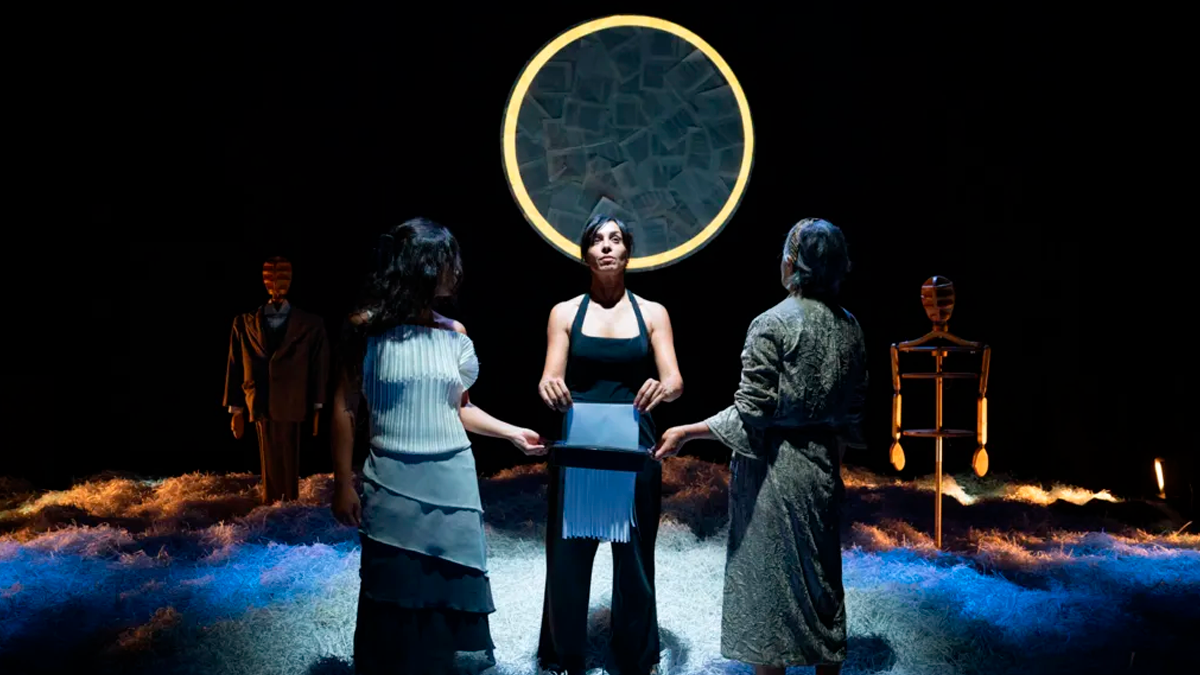
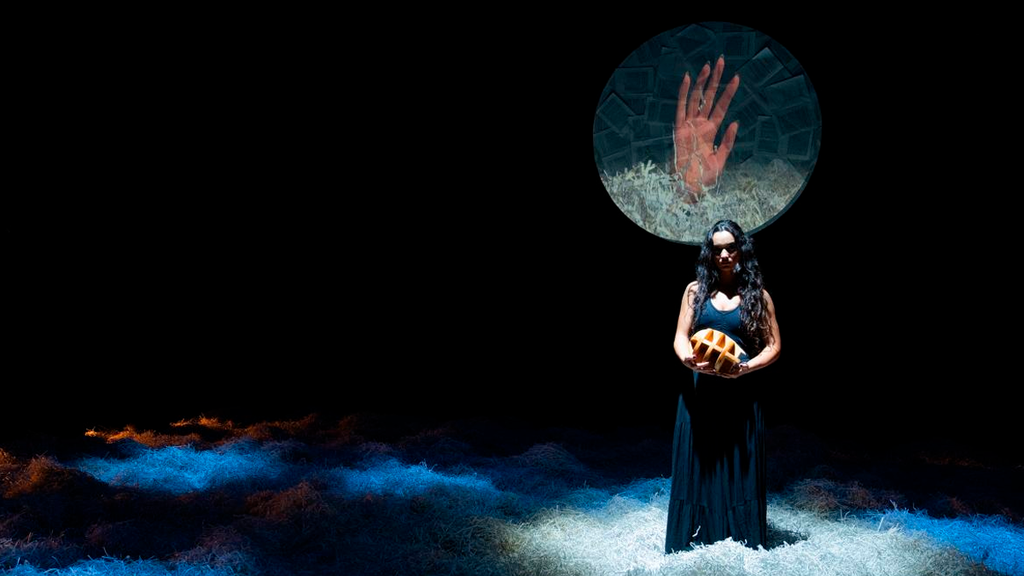
¿Qué sucede cuando, apenas un día antes del estreno, las protagonistas de un clásico teatral deben ser reemplazadas? ¿Cómo se ensaya una ausencia y qué ocurre cuando la realidad irrumpe en la ficción? A partir de estas preguntas, “La gaviota, ensayo abierto” propone una aproximación original a la obra de Antón Chéjov, en una experiencia que combina teatro y realidad para reflexionar, desde el humor, sobre el oficio de actuar. La pieza convierte un ensayo abierto en una comedia que entrelaza fragmentos del texto original con las historias personales de las intérpretes.
El espectáculo reúne a tres mujeres y actrices que encuentran en el universo de Chéjov una oportunidad para compartir sus experiencias, inquietudes y miradas sobre el trabajo escénico. La propuesta incorpora, además, una dinámica particular en cada etapa de la gira: dos actrices locales asumen los papeles de Nina y Arkádina desde sus propias perspectivas, aportando nuevas voces y reflexiones sobre el teatro. En esta presentación, el elenco estará integrado por Déborah Vukušić y las argentinas Eugenia Alonso y Carmela Rivero, bajo la dramaturgia y dirección de Santiago Cortegoso y Neto Portela.
La obra cuenta con diseño de espacio escénico e iluminación del Centro Dramático Galego; música original y diseño sonoro de Jeff Hesney y Xosé Lois Romero; vestuario de Sarturna; diseño de movimiento de Rosy Timas, y diseño técnico, asistencia de iluminación y audiovisuales de Amelia Poyato. La producción está a cargo de Equipo Colectivo y Crémilo.
Se trata de una coproducción internacional que reúne al Centro Dramático Galego (España), el Complejo Teatral de Buenos Aires (Argentina), el Teatro El Galpón (Uruguay), el Institut Valencià de Cultura (IVC), Raíz di Polon (Cabo Verde), Colectivo84 (Portugal) y Crémilo (Galicia).
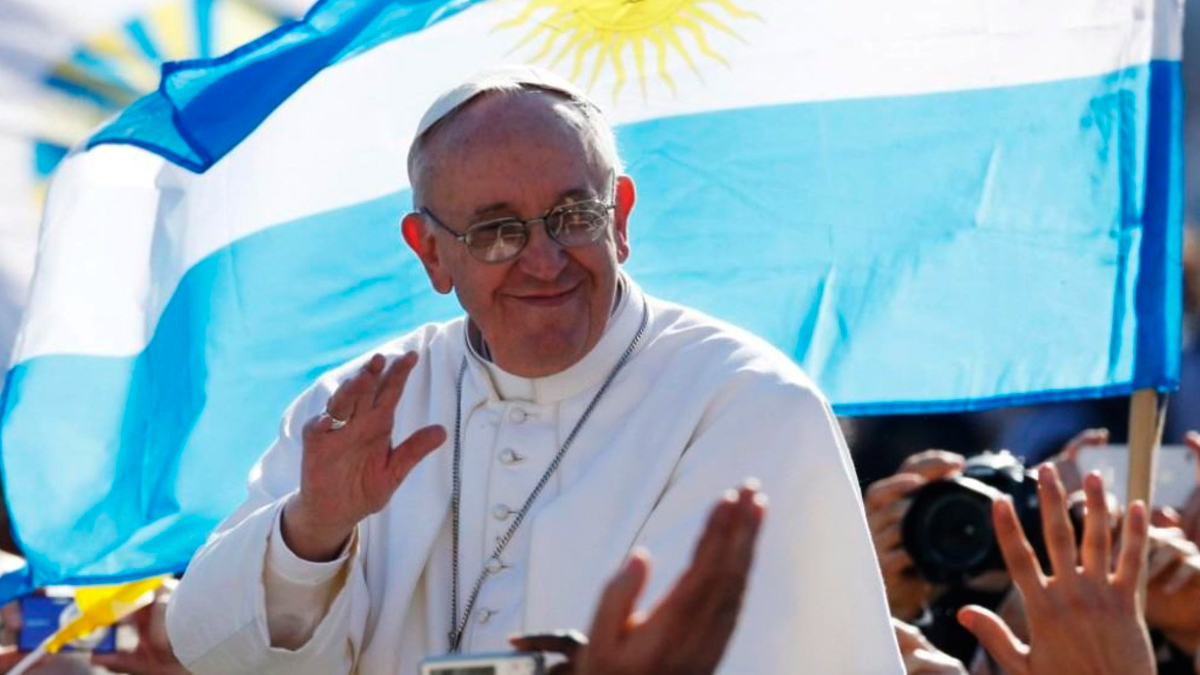
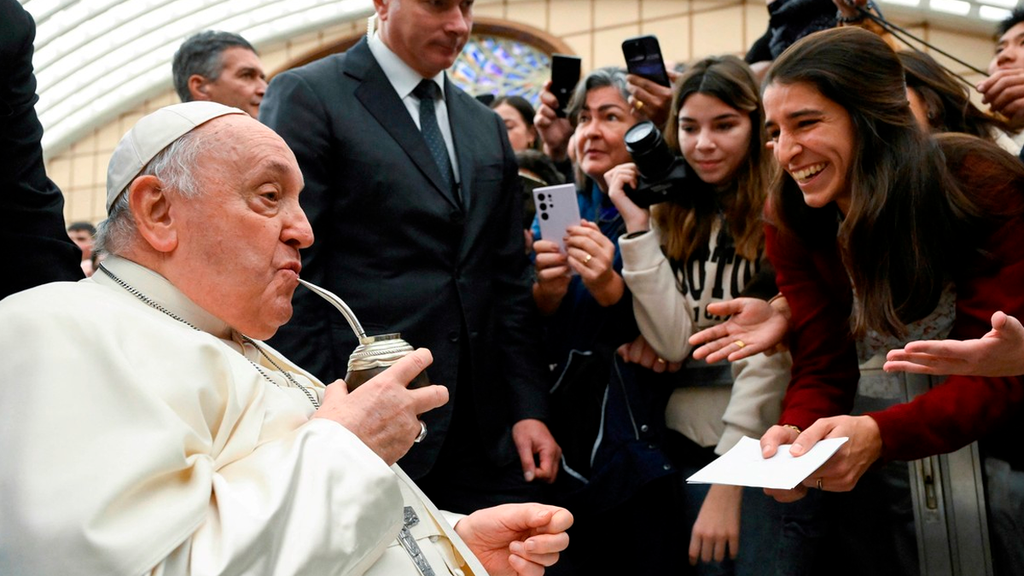
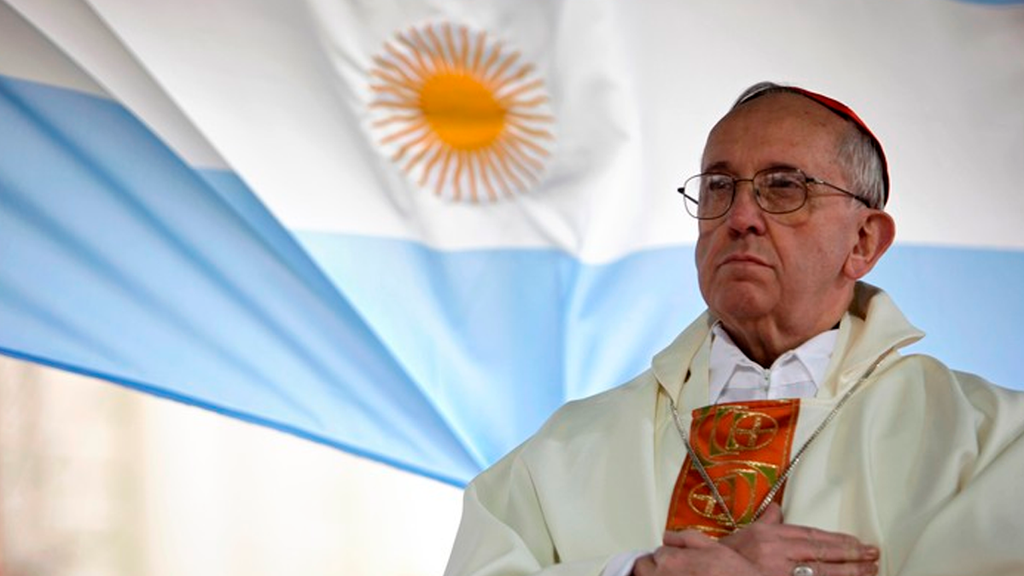
Casi nadie en el Vaticano sabía que existía. Jorge Mario Bergoglio llevó apuntes personales desde el 20 de diciembre de 1992 hasta el 18 de agosto de 2024, y ese material llegará a las librerías en un volumen que la Santa Sede anunció este lunes y que causó gran sorpresa puertas adentro.
La Libreria Editrice Vaticana (LEV), la editorial de la Santa Sede, lo definió en un comunicado como “un texto de excepcional valor e importancia para conocer aún más la persona del Pontífice jesuita” que guió a la Iglesia católica desde el 13 de marzo de 2013 hasta su muerte, el 21 de abril de 2025. El libro tendrá unas 160 páginas y se editará en italiano por LEV, en español, inglés y portugués por las respectivas sedes de Penguin Random House, y en francés por Editions Albin Michel.
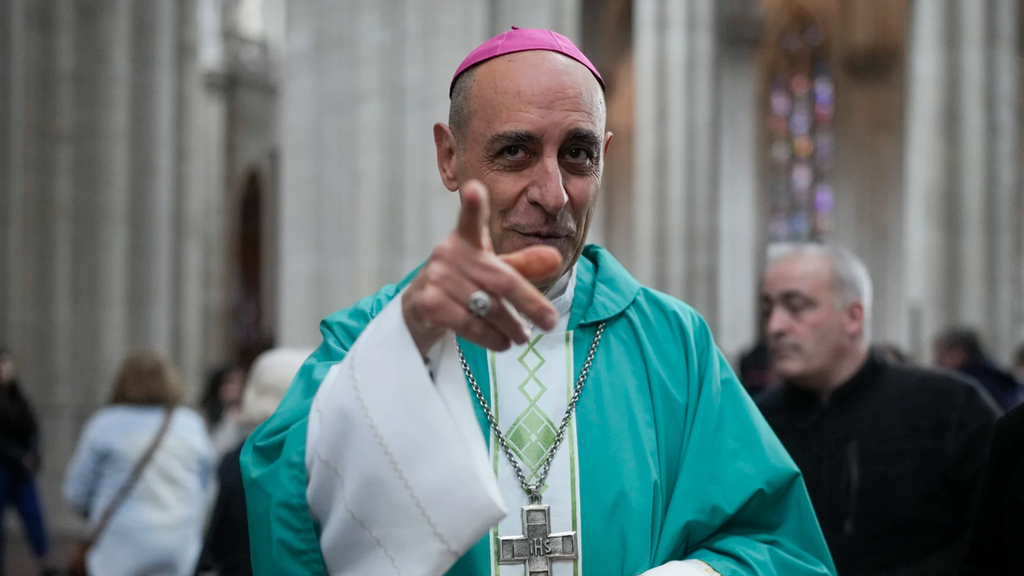
Su autor es uno de los hombres más cercanos al Papa argentino. Fernández, teólogo cordobés de 64 años y autor de diversos libros, fue la única persona de confianza de su misma nacionalidad que Francisco llevó a la curia romana. Lo hizo en julio de 2023, cuando lo nombró prefecto del Dicasterio para la Doctrina de la Fe, el ex Santo Oficio, el “ministerio” vaticano que se ocupa de salvaguardar la ortodoxia católica. En esta obra, el cardenal reunió las anotaciones, las editó y las comentó.
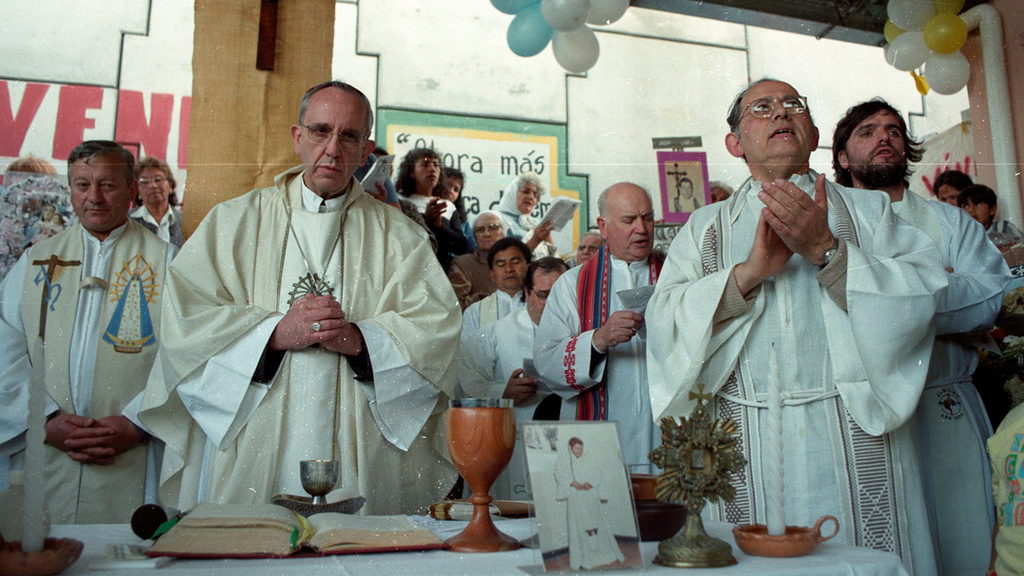
El arco de tiempo que cubren es muy extenso. Arranca meses después de mayo de 1992, cuando Bergoglio fue designado obispo auxiliar de Buenos Aires tras su período de “exilio” en Córdoba, adonde había llegado luego de ser un cuestionado superior de los jesuitas. Sigue por sus años de arzobispo porteño, con su designación como cardenal por parte de san Juan Pablo II en febrero de 2001, el mismo año de la terrible crisis argentina. Y alcanza los dos cónclaves en los que participó y buena parte de su pontificado.
— El cardenal Víctor Manuel “Tucho” Fernández, prefecto del Dicasterio para la Doctrina de la Fe y autor del libro
Penguin Random House, en su ficha de venta, prometió “una extraordinaria mirada a la mente del papa Francisco a través del diario personal que llevó durante sus años en el Vaticano, expresando sus esperanzas y temores más íntimos, luchas y oraciones”. La edición en inglés fue traducida del original en español por la hermana Bernadette Reis.
“Estamos muy honrados de publicar este texto del cardenal Víctor Manuel Fernández que presenta al público el Diario del Papa Francisco”, afirmó Andrea Tornielli, director editorial del Dicasterio para la Comunicación. A su juicio, el libro podrá ser apreciado por lectores de todo el mundo y permitirá “conocer aún más la interioridad del Pontífice argentino”.
Lorenzo Fazzini, responsable editorial de LEV, enmarcó el lanzamiento en la tarea de la casa, que está “al servicio de la difusión de las palabras de los Papas a nivel internacional”. Recordó que este año la editorial publicó Libres bajo la gracia, con escritos de Robert F. Prevost, hoy papa León XIV, de cuando era Prior General de los Agustinos, ya editado en varios idiomas. Y se declaró complacido de poner pronto a disposición de los lectores “estas páginas personales del Papa Francisco presentadas en un libro redactado por uno de sus más cercanos colaboradores”.
La aparición del diario contrasta con lo que el propio Francisco había anticipado en 2024. En El Sucesor, mis recuerdos de Benedicto XVI, el libro-entrevista que hizo con el periodista español Javier Martínez Brocal, le preguntaron si pediría en su testamento que se quemaran todos sus papeles, como hicieron Juan Pablo II y Benedicto XVI. “No, no, ya me ocupo yo de adelantar ese trabajo”, contestó.
El calendario también suma un dato. El libro saldrá una semana después del primer viaje de León XIV a la Argentina, previsto del 6 al 17 de noviembre, con paso previo por Uruguay y posterior por Perú. Antes, LEV lo presentará a los editores internacionales en la Feria del Libro de Fráncfort, del 7 al 11 de octubre.
Francisco, que concedió decenas de entrevistas, publicó en vida obras como El nombre de Dios es misericordia y la autobiografía Esperanza. Murió a los 88 años.
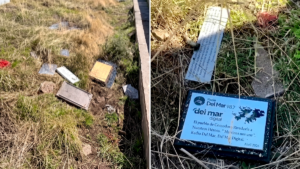
Un informe de la televisión chilena registró placas, rosarios y cintas arrojados detrás de la cruz mayor del cementerio, entre ellos un tributo de Comodoro Rivadavia de abril de 2026, y una retroexcavadora que removía tierra al ras de las tumbas.
Luis María Viaut cumple cinco años en Bouwer por una condena sin escuchas ni testigos directos, que Casación confirmó con el voto de la pareja de la jueza que lo sentenció. Domingo Benso, el cooperativista al que había mandado detener por la usina de facturas truchas, fue sobreseído en septiembre.
El legislador relanzó Proyecto C con un programa dedicado a la obsecuencia en el poder, en el que también apuntó contra el kirchnerismo y habló del peso de Karina Milei en el Gobierno.
📖 IL DIARIO PERSONALE DI PAPA FRANCESCO.
Dal 24 novembre le pagine personali di Jorge Mario Bergoglio diventano un libro, presentato e commentato dal card. Víctor Manuel Fernández.
🌍 Un’uscita mondiale in 94 Paesi e 5 lingue: italiano, spagnolo, inglese, portoghese e francese. https://t.co/vptymfgmIc