El vergonzoso zócalo que se le escapó a TN dando como ganador a los K
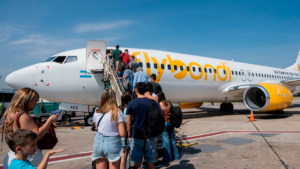
Durante la tradicional cobertura de las elecciones generales que realiza el canal deslizó una placa que mostraba unos dudosos resultados.
10 Years Experiences
Lorem ipsum dolor sit amet, consectetur adipiscing elit. Ut elit tellus, luctus nec ullamcorper mattis, pulvinar dapibus leo.
Durante la tradicional cobertura de las elecciones generales que realiza el canal deslizó una placa que mostraba unos dudosos resultados.
El noticiero mostraba el video de un votante que fue disfrazado a votar cuando en la pantalla aparecieron unos porcentajes, sin tener aún ningún dato oficial.TN, con más de 25 años de cobertura de elecciones, explicó que fue un error de prueba de las placas mientras se preparan para el escrutinio definitivo.
Esto público TN a esta hora, como puede ser? #EleccionesArgentina pic.twitter.com/rE4OfdsDH1
El error sucedió durante el bloque de Decisión 19 conducido por Sergio Lapegüe y Sandra Borghi y, de esta manera, el canal violó la veda electoral. Minutos más tarde, el periodista Pepe Gil Vidal justificó el error diciendo: “salió por error una prueba al aire realizada por los técnicos. Los datos son figurativos.” ¿Habrá sido un error?
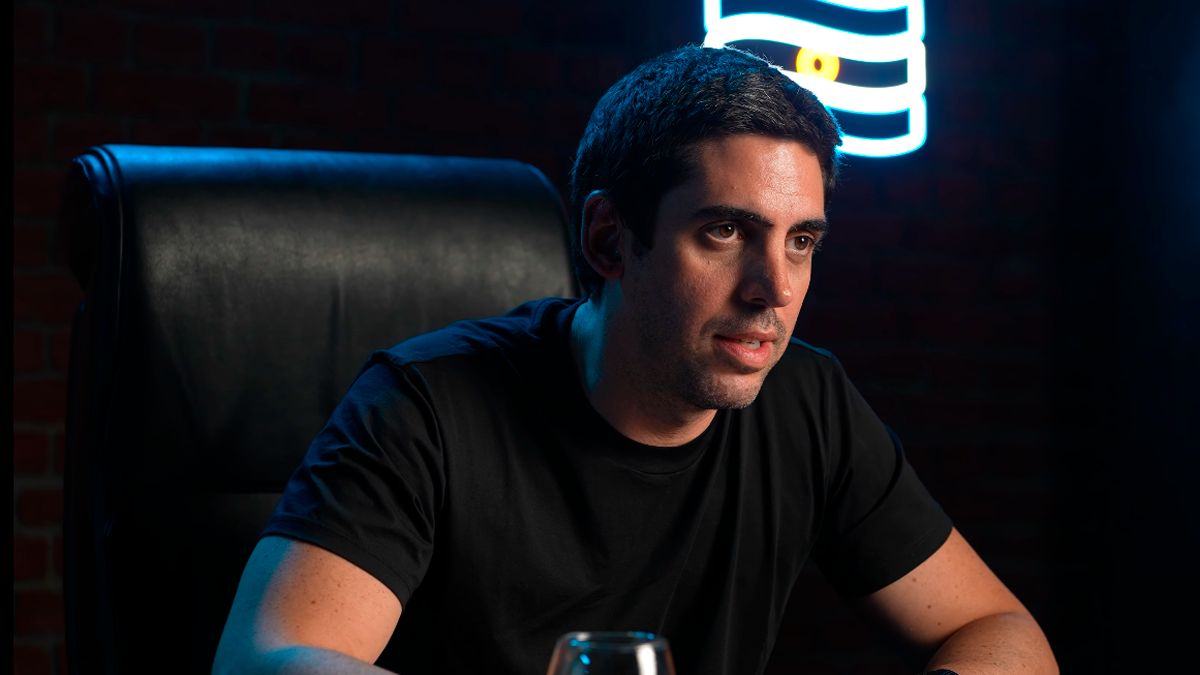
Eugenio Casielles eligió la noche del domingo y un terreno ajeno a la televisión tradicional para lanzar su nuevo proyecto. A las 22, el diputado de la Ciudad estrenó “Proyecto C”, un programa con formato de late night a la argentina que en su primera emisión apuntó sin rodeos contra Javier Milei y su círculo más cercano.
La soberbia fue el hilo conductor del debut, abordada como un rasgo personal del Presidente y también por el impacto que tiene sobre la política. Para desarmar el tema, Casielles convocó a los comunicadores e influencers El Presto y Álvaro Zicarelli, además de Kevin Grunbaum, analista en comunicación que se ocupó de medir el nivel de soberbia que atraviesa hoy a la dirigencia.
El conductor abrió el programa con definiciones duras sobre la actitud del jefe de Estado y la falta de credibilidad de sus anuncios. Junto a sus invitados repasó la reciente comunicación del Gobierno sobre Malvinas, y la mesa llegó a una conclusión categórica: “A Milei no le importa la soberanía del país”.
La soberbia se sienta a la mesa. Eugenio Casielles presenta el primer capítulo de Proyecto C con El Presto, Álvaro Zicarelli y Kevin Grunbaum. ¿Por qué nos cuesta tanto reconocer que podemos estar equivocados? ¿Escuchamos para entender o solamente para tener razón?
Sobre esa línea, Casielles planteó si un admirador de Margaret Thatcher está en condiciones de defender los intereses nacionales en el Atlántico Sur. Para sostener la pregunta recordó actos de campaña en los que Milei no quería que se cantara el himno ni que se exhibieran banderas de las islas, y remató con una frase que dejó flotando sobre el estudio: “no es el primer presidente que trata de prostituir una causa para ganar las elecciones”.
Entre las secciones fijas del ciclo sobresale la “Carta al presidente”, un espacio en el que el legislador le habla directamente a Milei. En la primera entrega, el mensaje fue claro: “Recordá que no sos la Argentina. No sos la República. Sos un empleado al que ‘contratamos’ durante un tiempo para una responsabilidad enorme”.
Casielles se permitió además un pasaje de tono irreverente, en el que colocó al mandatario frente al paso del tiempo y a figuras centrales de la historia nacional: “Javier, no sos indispensable, este país vio pasar a hombres como Sarmiento, Roca, Rosas… Todos pasaron. La única que siguió en pie fue la Argentina”.
La propuesta de “Proyecto C” se apoya en la idea de hablar sin filtros e incomodar cuando haga falta. Con un formato que se aparta del molde de los programas de actualidad, el ciclo promete sumar en cada edición una rotación de invitados picantes que alimenten la discusión.
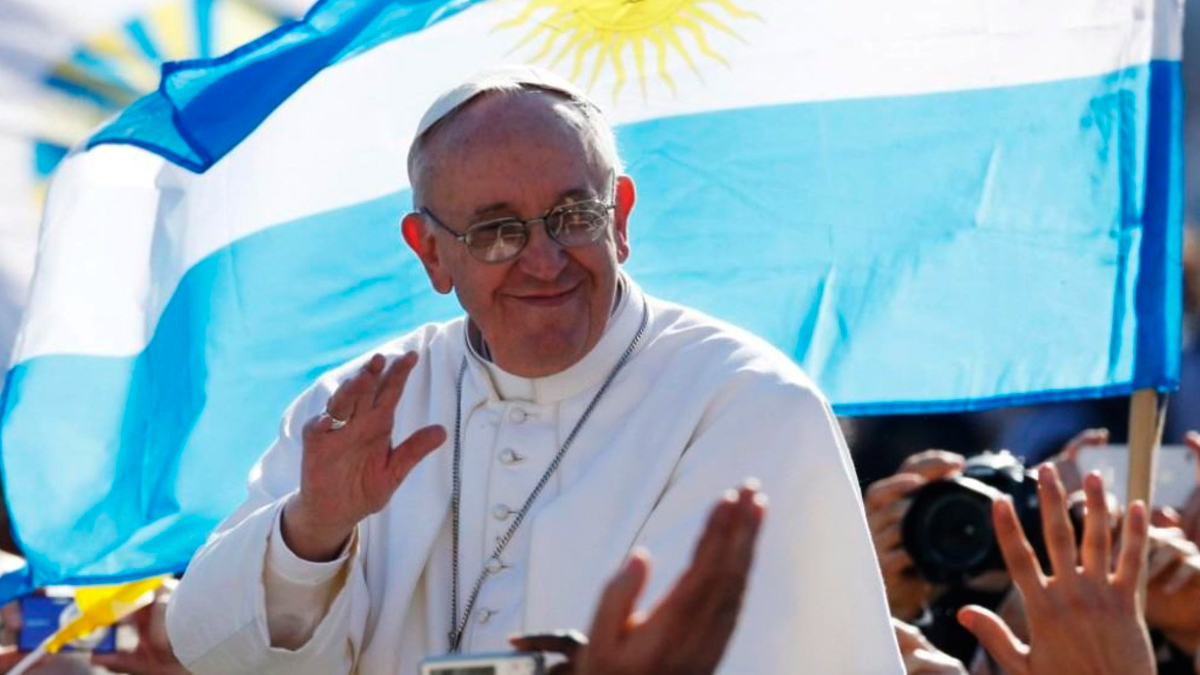
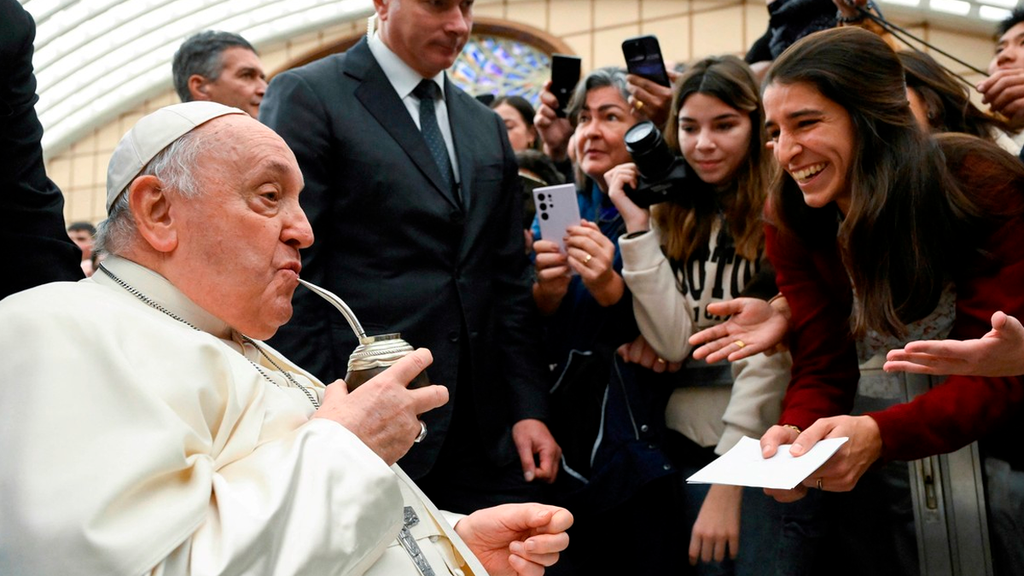
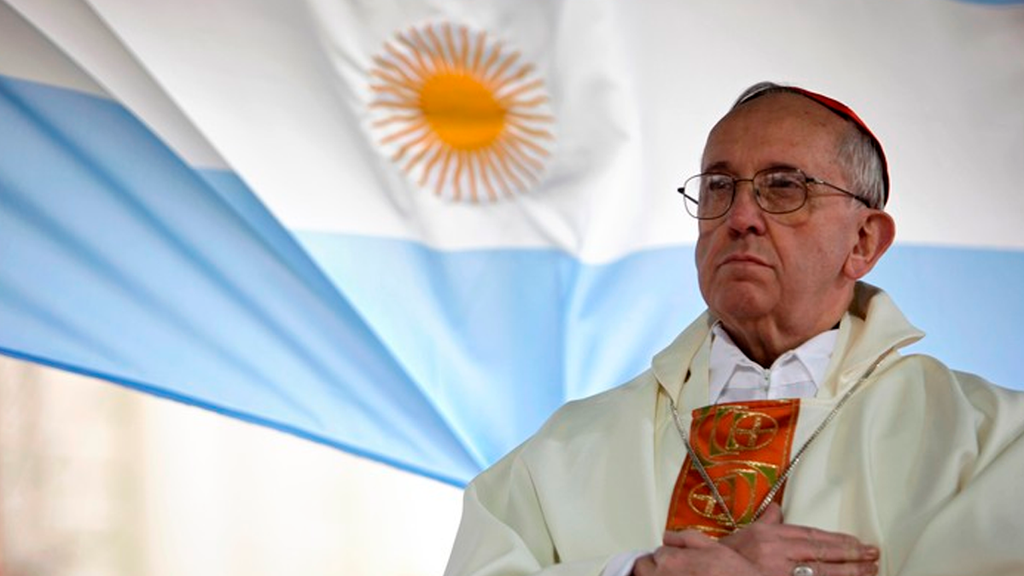
Casi nadie en el Vaticano sabía que existía. Jorge Mario Bergoglio llevó apuntes personales desde el 20 de diciembre de 1992 hasta el 18 de agosto de 2024, y ese material llegará a las librerías en un volumen que la Santa Sede anunció este lunes y que causó gran sorpresa puertas adentro.
La Libreria Editrice Vaticana (LEV), la editorial de la Santa Sede, lo definió en un comunicado como “un texto de excepcional valor e importancia para conocer aún más la persona del Pontífice jesuita” que guió a la Iglesia católica desde el 13 de marzo de 2013 hasta su muerte, el 21 de abril de 2025. El libro tendrá unas 160 páginas y se editará en italiano por LEV, en español, inglés y portugués por las respectivas sedes de Penguin Random House, y en francés por Editions Albin Michel.
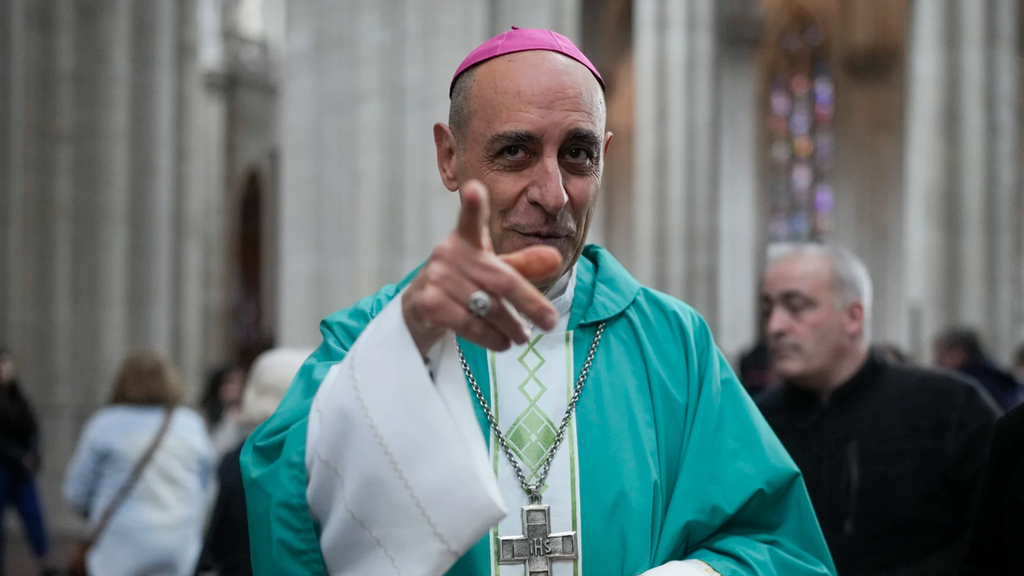
Su autor es uno de los hombres más cercanos al Papa argentino. Fernández, teólogo cordobés de 64 años y autor de diversos libros, fue la única persona de confianza de su misma nacionalidad que Francisco llevó a la curia romana. Lo hizo en julio de 2023, cuando lo nombró prefecto del Dicasterio para la Doctrina de la Fe, el ex Santo Oficio, el “ministerio” vaticano que se ocupa de salvaguardar la ortodoxia católica. En esta obra, el cardenal reunió las anotaciones, las editó y las comentó.
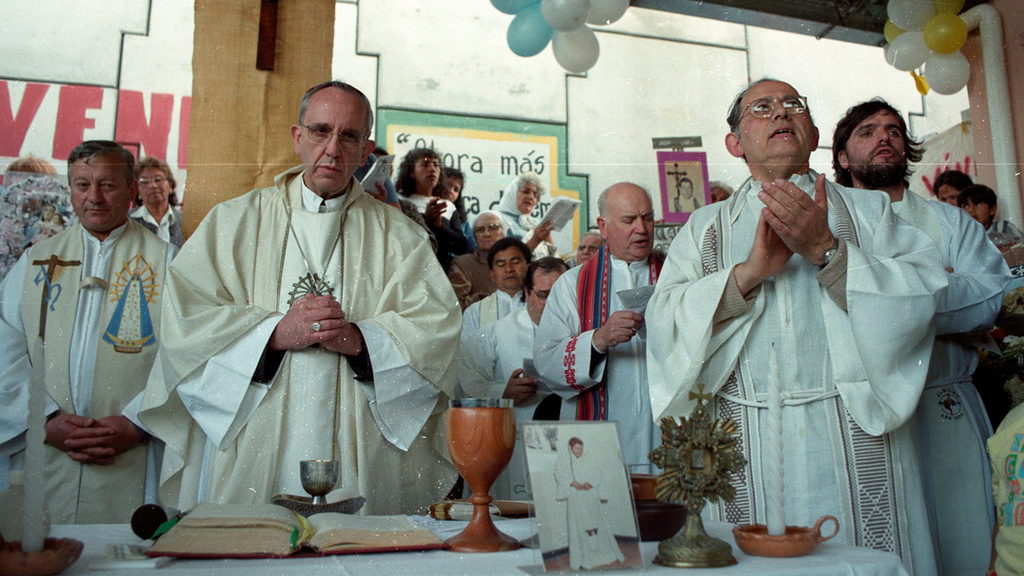
El arco de tiempo que cubren es muy extenso. Arranca meses después de mayo de 1992, cuando Bergoglio fue designado obispo auxiliar de Buenos Aires tras su período de “exilio” en Córdoba, adonde había llegado luego de ser un cuestionado superior de los jesuitas. Sigue por sus años de arzobispo porteño, con su designación como cardenal por parte de san Juan Pablo II en febrero de 2001, el mismo año de la terrible crisis argentina. Y alcanza los dos cónclaves en los que participó y buena parte de su pontificado.
— El cardenal Víctor Manuel “Tucho” Fernández, prefecto del Dicasterio para la Doctrina de la Fe y autor del libro
Penguin Random House, en su ficha de venta, prometió “una extraordinaria mirada a la mente del papa Francisco a través del diario personal que llevó durante sus años en el Vaticano, expresando sus esperanzas y temores más íntimos, luchas y oraciones”. La edición en inglés fue traducida del original en español por la hermana Bernadette Reis.
“Estamos muy honrados de publicar este texto del cardenal Víctor Manuel Fernández que presenta al público el Diario del Papa Francisco”, afirmó Andrea Tornielli, director editorial del Dicasterio para la Comunicación. A su juicio, el libro podrá ser apreciado por lectores de todo el mundo y permitirá “conocer aún más la interioridad del Pontífice argentino”.
Lorenzo Fazzini, responsable editorial de LEV, enmarcó el lanzamiento en la tarea de la casa, que está “al servicio de la difusión de las palabras de los Papas a nivel internacional”. Recordó que este año la editorial publicó Libres bajo la gracia, con escritos de Robert F. Prevost, hoy papa León XIV, de cuando era Prior General de los Agustinos, ya editado en varios idiomas. Y se declaró complacido de poner pronto a disposición de los lectores “estas páginas personales del Papa Francisco presentadas en un libro redactado por uno de sus más cercanos colaboradores”.
La aparición del diario contrasta con lo que el propio Francisco había anticipado en 2024. En El Sucesor, mis recuerdos de Benedicto XVI, el libro-entrevista que hizo con el periodista español Javier Martínez Brocal, le preguntaron si pediría en su testamento que se quemaran todos sus papeles, como hicieron Juan Pablo II y Benedicto XVI. “No, no, ya me ocupo yo de adelantar ese trabajo”, contestó.
El calendario también suma un dato. El libro saldrá una semana después del primer viaje de León XIV a la Argentina, previsto del 6 al 17 de noviembre, con paso previo por Uruguay y posterior por Perú. Antes, LEV lo presentará a los editores internacionales en la Feria del Libro de Fráncfort, del 7 al 11 de octubre.
Francisco, que concedió decenas de entrevistas, publicó en vida obras como El nombre de Dios es misericordia y la autobiografía Esperanza. Murió a los 88 años.
Lourdes Parache pidió en TikTok que la gente “frene el odio” y cerró su cuenta tras las críticas. Sus propios chats con amigas fueron una de las pruebas que llevó a la Justicia tucumana a sobreseer a los cuatro futbolistas.
La low cost presentó ante la Justicia el detalle de su pasivo y la lista de proveedores que le reclaman pagos. El expediente quedó radicado en el Juzgado Comercial N° 24, que todavía debe resolver si abre el proceso.
La Justicia federal investiga si Emiliano Estrada aprovechó los servicios de dos empleados públicos para difundir contenidos contra sus adversarios políticos. Los asesores reconocieron su participación en las maniobras y fueron condenados en Salta.
📖 IL DIARIO PERSONALE DI PAPA FRANCESCO.
Dal 24 novembre le pagine personali di Jorge Mario Bergoglio diventano un libro, presentato e commentato dal card. Víctor Manuel Fernández.
🌍 Un’uscita mondiale in 94 Paesi e 5 lingue: italiano, spagnolo, inglese, portoghese e francese. https://t.co/vptymfgmIc