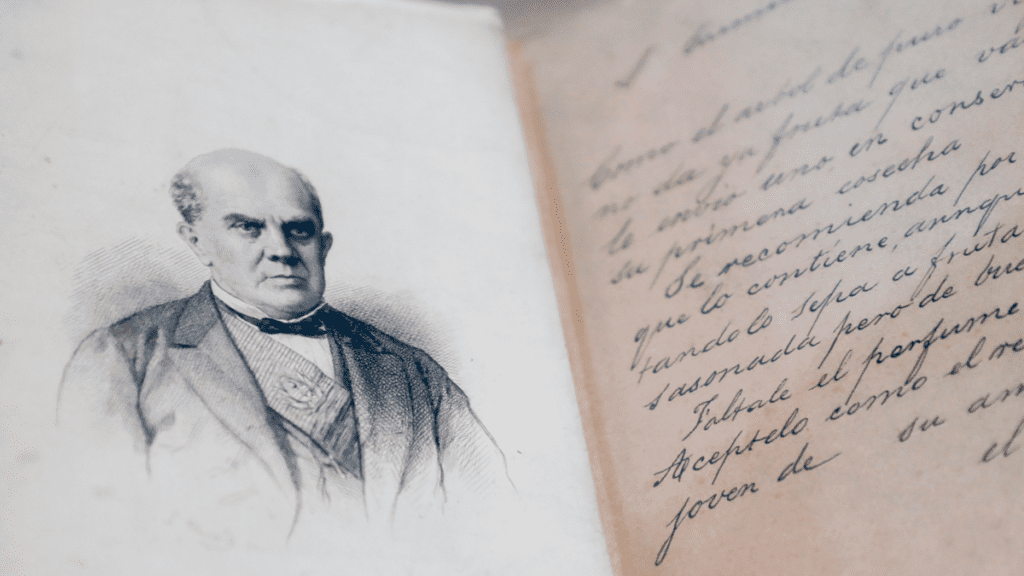

Día del Maestro, un “invento” cordobés

La iniciativa fue de Miguel Rodríguez de la Torre, quien propuso esta conmemoración en 1911, destacando la importancia de la educación y el reconocimiento a los docentes.
rafaela-biazi-470405-unsplash.jpg
10 Years Experiences

Lorem ipsum dolor sit amet, consectetur adipiscing elit. Ut elit tellus, luctus nec ullamcorper mattis, pulvinar dapibus leo.

*Por Marcos Calligaris

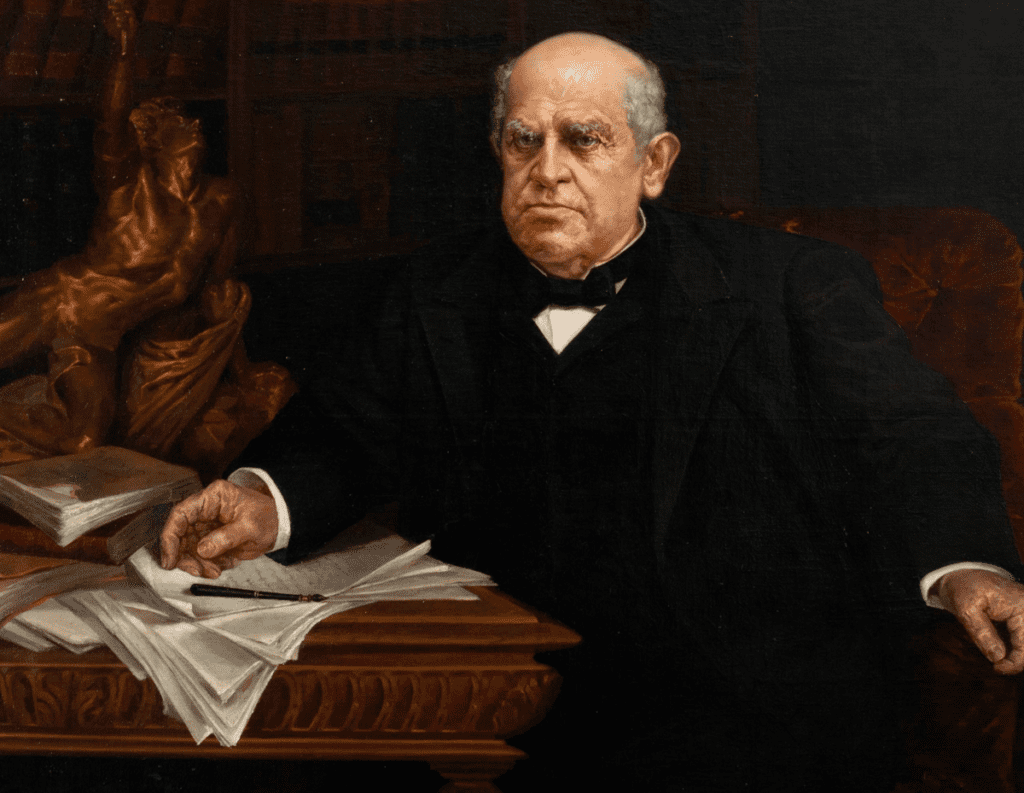
El Día del Maestro en Argentina se celebra el 11 de septiembre en homenaje a Domingo Faustino Sarmiento, quien falleció en Asunción del Paraguay en 1888.

Este homenaje fue impulsado por Miguel Rodríguez de la Torre, un cordobés apasionado por la enseñanza, la poesía y el periodismo.
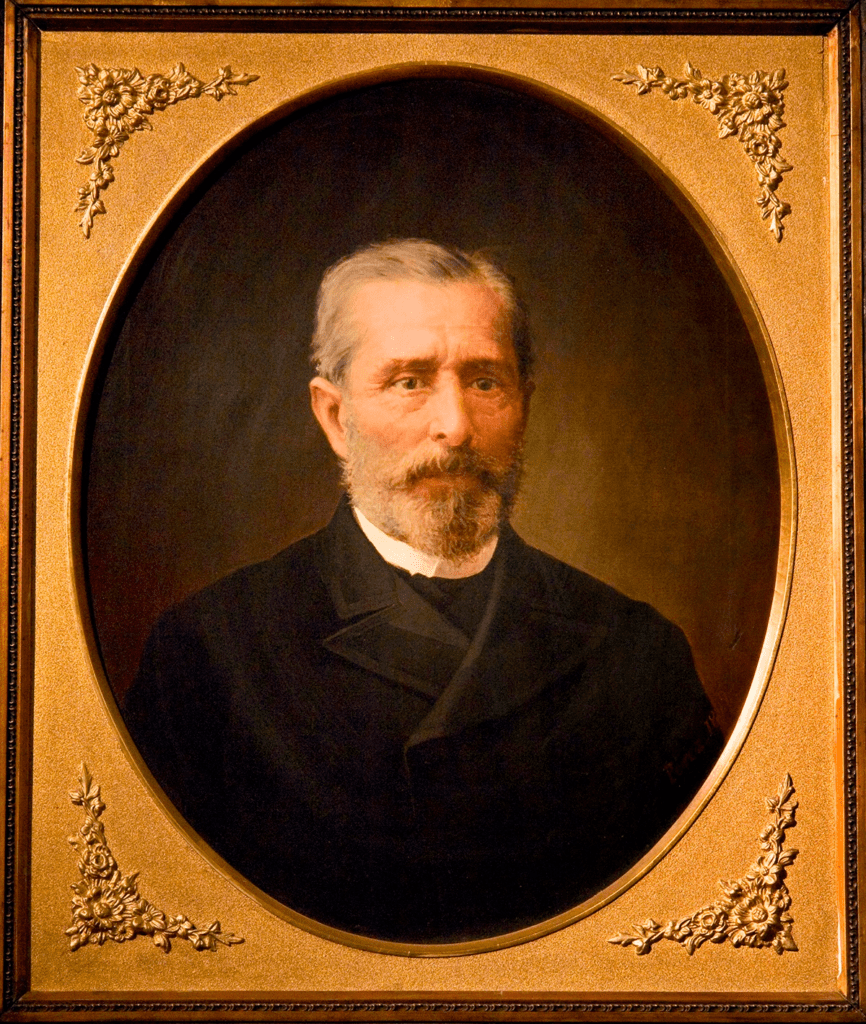
Felix Tomás del Corazón de Jesús Garzón Moreno, gobernador de la Provincia de Córdoba (1910 a 1913).

Fue justamente Rodríguez de la Torre quien, en 1911, propuso al Consejo de Educación de Córdoba que el 11 de septiembre se declarara el “Día del Maestro” en honor a Sarmiento.

La propuesta fue aprobada rápidamente por el Consejo, y el gobernador Félix T. Garzón, junto al ministro José del Viso firmaron el decreto el 12 de julio de 1911.

Este decreto no solo establecía el Día del Maestro, sino que también declaraba feriado para las escuelas de la provincia y permitía a los docentes recibir regalos de sus alumnos y sus familias, algo que hasta la fecha estaba prohibido.
En aquella oportunidad, según contó el recordado historiador Efraín U. Bischoff, el Consejo de Educación también subrayó la necesidad de mejorar las condiciones salariales de los maestros, considerando que “el sueldo de que gozan los maestros de la provincia es exiguo e insuficiente para llenar las necesidades primordiales de la vida”. En ese sentido, propusieron un aumento anual del 10 % durante diez años, comenzando después de cinco años de servicio ininterrumpido y demostrando competencia, laboriosidad y buena conducta.

La primera vez y para todo el continente

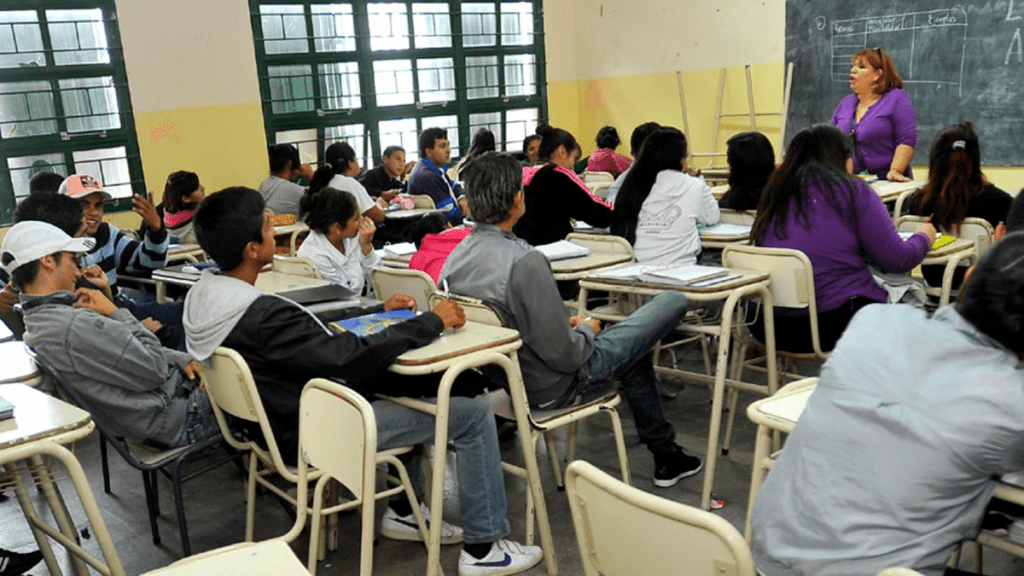
La primera celebración del Día del Maestro tuvo lugar en 1911 en la escuela Alberdi de Córdoba y en otras instituciones educativas de la ciudad.
Pasaron cuatro años hasta que el 17 de noviembre de 1915, la Sociedad Amigos de la Escuela, un organismo con sede en Buenos Aires, que era presidida por Emilio Bárcena, resolvió extender la celebración a todo el país, y ya en 1943, la Conferencia Panamericana la elevó para todo el continente.

Un destacado monserratense

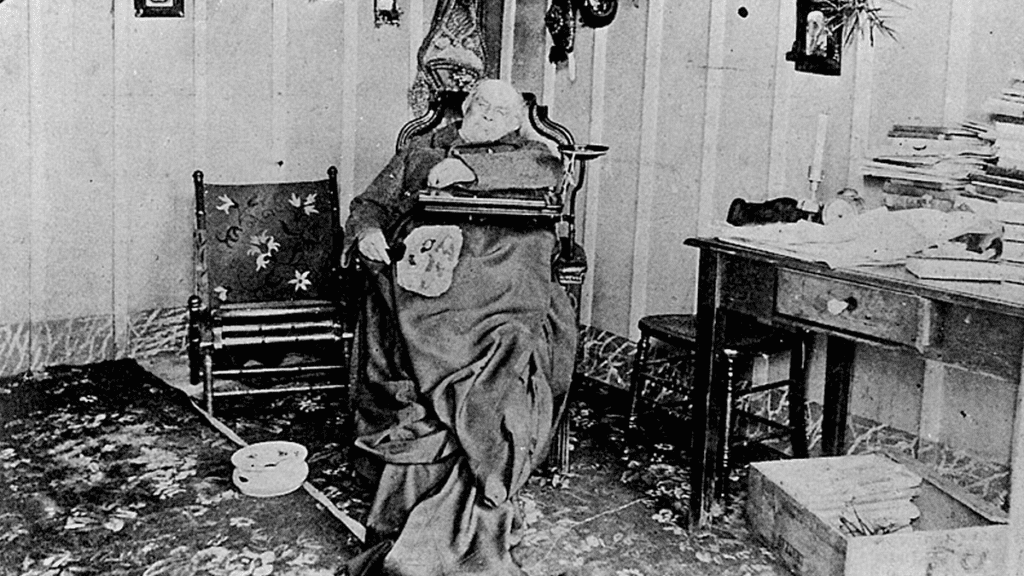
Miguel Rodríguez de la Torre nació en Córdoba el 26 de junio de 1871, en el hogar del doctor Pablo Julio Rodríguez y doña Fidelia de la Torre. Desde joven, mostró un gran interés por la educación y el periodismo. Estudió en el Seminario de Nuestra Señora de Loreto y en el Colegio Nacional de Monserrat.
Su carrera periodística comenzó en los periódicos El Interior y El Debate, y fue fundador de varias publicaciones, incluyendo la Revista de la Policía y el diario Fígaro. También dirigió los diarios Mercurio y La Evolución, de La Plata, y escribió numerosos libros.

Rodríguez de la Torre también tuvo una destacada carrera en la política y la educación. Publicó el libro Higiene Escolar en 1907 y fue legislador por San Alberto entre 1909 y 1911. Participó activamente en el Congreso Pedagógico de 1912, donde abogó por la “remuneración equitativa de los maestros”.

Miguel Rodríguez de la Torre falleció el 5 de agosto de 1929 en Córdoba. Una escuela y una calle de la ciudad llevan su nombre.

*Fuente: CADENA3

Search

Unite a nuestro grupo de Telegram, donde te compartimos las noticias más importantes.

HUMOR por Argüelles​

LO MÁS IMPORTANTE

Coronavirus disease 2019

COVID-19 is a contagious disease caused by the coronavirus SARS-CoV-2. In January 2020, the disease spread worldwide, resulting in the COVID-19 pandemic. The symptoms of COVID‑19 can vary but often include fever,[7] fatigue, cough, breathing difficulties, loss of smell, and loss of taste.[8][9][10] Symptoms may begin one to fourteen days after exposure to the virus. At least a third of people who are infected do not develop noticeable symptoms.[11][12] Of those who develop symptoms noticeable enough to be classified as patients, most (81%) develop mild to moderate symptoms (up to mild pneumonia), while 14% develop severe symptoms (dyspnea, hypoxia, or more than 50% lung involvement on imaging), and 5% develop critical symptoms (respiratory failure, shock, or multiorgan dysfunction).[13] Older people have a higher risk of developing severe symptoms. Some complications result in death. Some people continue to experience a range of effects (long COVID) for months or years after infection, and damage to organs has been observed.[14] Multi-year studies on the long-term effects are ongoing.[15] COVID‑19 transmission occurs when infectious particles are breathed in or come into contact with the eyes, nose, or mouth. The risk is highest when people are in close proximity, but small airborne particles containing the virus can remain suspended in the air and travel over longer distances, particularly indoors. Transmission can also occur when people touch their eyes, nose, or mouth after touching surfaces or objects that have been contaminated by the virus. People remain contagious for up to 20 days and can spread the virus even if they do not develop symptoms.[16] Testing methods for COVID-19 to detect the virus’s nucleic acid include real-time reverse transcription polymerase chain reaction (RT‑PCR),[17][18] transcription-mediated amplification,[17][18][19] and reverse transcription loop-mediated isothermal amplification (RT‑LAMP)[17][18] from a nasopharyngeal swab.[20] Several COVID-19 vaccines have been approved and distributed in various countries, many of which have initiated mass vaccination campaigns. Other preventive measures include physical or social distancing, quarantining, ventilation of indoor spaces, use of face masks or coverings in public, covering coughs and sneezes, hand washing, and keeping unwashed hands away from the face. While drugs have been developed to inhibit the virus, the primary treatment is still symptomatic, managing the disease through supportive care, isolation, and experimental measures.

SEGUIR LEYENDO

Coronavirus disease 2019

COVID-19 is a contagious disease caused by the coronavirus SARS-CoV-2. In January 2020, the disease spread worldwide, resulting in the COVID-19 pandemic. The symptoms of COVID‑19 can vary but often include fever,[7] fatigue, cough, breathing difficulties, loss of smell, and loss of taste.[8][9][10] Symptoms may begin one to fourteen days after exposure to the virus. At least a third of people who are infected do not develop noticeable symptoms.[11][12] Of those who develop symptoms noticeable enough to be classified as patients, most (81%) develop mild to moderate symptoms (up to mild pneumonia), while 14% develop severe symptoms (dyspnea, hypoxia, or more than 50% lung involvement on imaging), and 5% develop critical symptoms (respiratory failure, shock, or multiorgan dysfunction).[13] Older people have a higher risk of developing severe symptoms. Some complications result in death. Some people continue to experience a range of effects (long COVID) for months or years after infection, and damage to organs has been observed.[14] Multi-year studies on the long-term effects are ongoing.[15] COVID‑19 transmission occurs when infectious particles are breathed in or come into contact with the eyes, nose, or mouth. The risk is highest when people are in close proximity, but small airborne particles containing the virus can remain suspended in the air and travel over longer distances, particularly indoors. Transmission can also occur when people touch their eyes, nose, or mouth after touching surfaces or objects that have been contaminated by the virus. People remain contagious for up to 20 days and can spread the virus even if they do not develop symptoms.[16] Testing methods for COVID-19 to detect the virus’s nucleic acid include real-time reverse transcription polymerase chain reaction (RT‑PCR),[17][18] transcription-mediated amplification,[17][18][19] and reverse transcription loop-mediated isothermal amplification (RT‑LAMP)[17][18] from a nasopharyngeal swab.[20] Several COVID-19 vaccines have been approved and distributed in various countries, many of which have initiated mass vaccination campaigns. Other preventive measures include physical or social distancing, quarantining, ventilation of indoor spaces, use of face masks or coverings in public, covering coughs and sneezes, hand washing, and keeping unwashed hands away from the face. While drugs have been developed to inhibit the virus, the primary treatment is still symptomatic, managing the disease through supportive care, isolation, and experimental measures.

SEGUIR LEYENDO

Coronavirus disease 2019

COVID-19 is a contagious disease caused by the coronavirus SARS-CoV-2. In January 2020, the disease spread worldwide, resulting in the COVID-19 pandemic. The symptoms of COVID‑19 can vary but often include fever,[7] fatigue, cough, breathing difficulties, loss of smell, and loss of taste.[8][9][10] Symptoms may begin one to fourteen days after exposure to the virus. At least a third of people who are infected do not develop noticeable symptoms.[11][12] Of those who develop symptoms noticeable enough to be classified as patients, most (81%) develop mild to moderate symptoms (up to mild pneumonia), while 14% develop severe symptoms (dyspnea, hypoxia, or more than 50% lung involvement on imaging), and 5% develop critical symptoms (respiratory failure, shock, or multiorgan dysfunction).[13] Older people have a higher risk of developing severe symptoms. Some complications result in death. Some people continue to experience a range of effects (long COVID) for months or years after infection, and damage to organs has been observed.[14] Multi-year studies on the long-term effects are ongoing.[15] COVID‑19 transmission occurs when infectious particles are breathed in or come into contact with the eyes, nose, or mouth. The risk is highest when people are in close proximity, but small airborne particles containing the virus can remain suspended in the air and travel over longer distances, particularly indoors. Transmission can also occur when people touch their eyes, nose, or mouth after touching surfaces or objects that have been contaminated by the virus. People remain contagious for up to 20 days and can spread the virus even if they do not develop symptoms.[16] Testing methods for COVID-19 to detect the virus’s nucleic acid include real-time reverse transcription polymerase chain reaction (RT‑PCR),[17][18] transcription-mediated amplification,[17][18][19] and reverse transcription loop-mediated isothermal amplification (RT‑LAMP)[17][18] from a nasopharyngeal swab.[20] Several COVID-19 vaccines have been approved and distributed in various countries, many of which have initiated mass vaccination campaigns. Other preventive measures include physical or social distancing, quarantining, ventilation of indoor spaces, use of face masks or coverings in public, covering coughs and sneezes, hand washing, and keeping unwashed hands away from the face. While drugs have been developed to inhibit the virus, the primary treatment is still symptomatic, managing the disease through supportive care, isolation, and experimental measures.

SEGUIR LEYENDO

TWEET DEL DÍA

Tevero liberavisse
comprehensam nec.

Copyright 2023 © Data 24 - Todos los derechos reservados
Data 24.com.ar © Copyright 2025

Subscribe Now